My Core Ownership
UX flows and interaction design
Behavioral mechanics and reward loops
Co-op engagement system architecture
Prototyping and validation with game design
Weekly goal progression framework
Duration
5 months
Team
Akshay Gujarathi (Game Designer)
Neelanjan Saha (Developer)
OVERVIEW
Quick Context
FarmVille 3 had a co-op problem. Players joined co-ops but rarely helped each other—treating the feature as a solo experience with occasional requests rather than a collaborative community.
I designed the Thank You Tree, a visual and behavioral system that made helping others emotionally rewarding and progress visible. The feature used social reciprocity, visual feedback, and weekly goals to transform passive members into active supporters.
Released in November 2023, the Thank You Tree became a permanent co-op feature built on one simple loop:
help others → earn recognition → see progress → get rewarded.
Duration
5 months
Team
Akshay Gujarathi (Game Designer)
Neelanjan Saha (Developer)
THE PROBLEM
Co-ops existed, but collaboration didn't
FarmVille 3 had co-op functionality, but players weren't using it meaningfully. This wasn’t new—across the FarmVille franchise, inactive co-ops had been a long-standing issue.
What the data showed
Players joined co-ops but rarely helped
Forums were filled with complaints about inactive members
Helping felt invisible and unrewarded
Donation limits made generosity feel constrained
Engagement dropped after initial excitement
The core issue wasn’t lack of features—it was lack of feedback and motivation.

Co-op feature
DESIGN DECISIONS & CORE WORK
Building a reciprocity loop through visual progression
The core insight: collaboration fails when it’s invisible.
Instead of adding more rules or penalties, I focused on motivation—making contribution visible, social, and personally rewarding.
The tree wasn't just a progress bar; it was a social signal.
It was a status symbol, a feedback mechanism, and a weekly goal system combined.
The behavioral framework
Visual representation of contribution
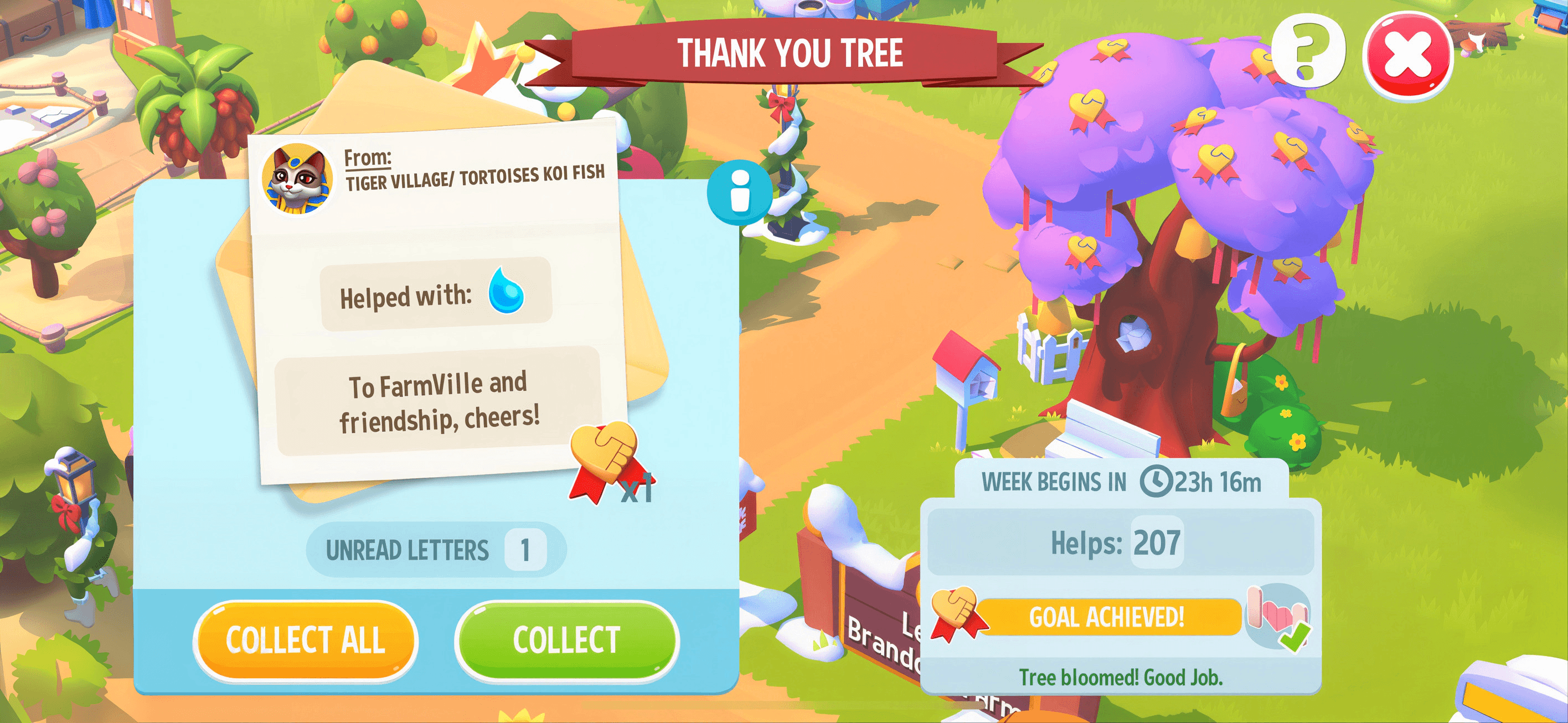
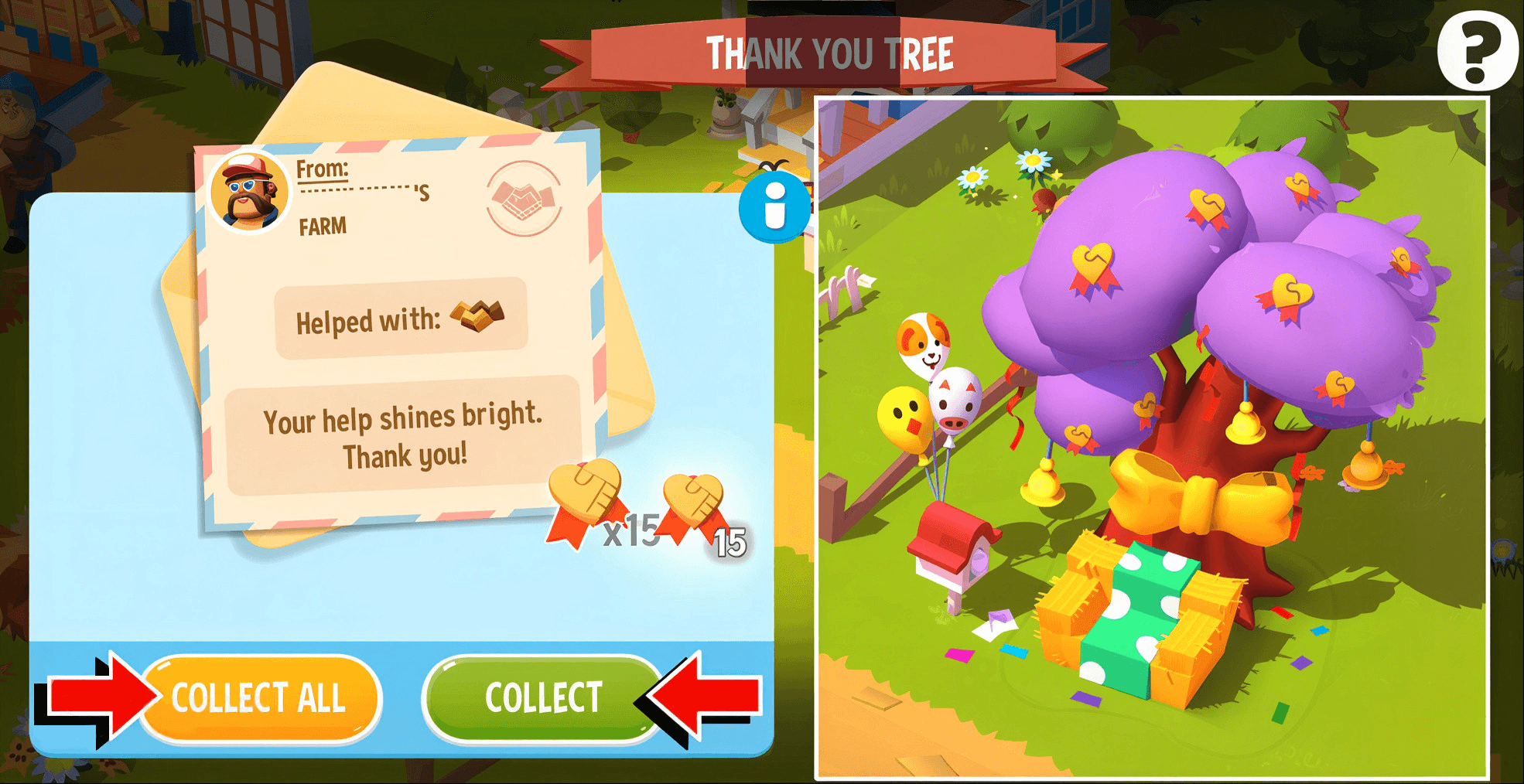
A tree placed directly on the player’s farm that decorates as they help others. Ribbons turn invisible acts of help into visible progress.
Weekly goal structure
Goals reset weekly, creating a recurring reason to engage. Players who reach bloom maintain it into the following week.
Scaled rewards for scaled effort
Larger contributions earned more ribbons—rewarding meaningful help over passive actions.
Social visibility and pride
Bloomed trees were visible to visiting players, signaling helpfulness and commitment to the co-op.
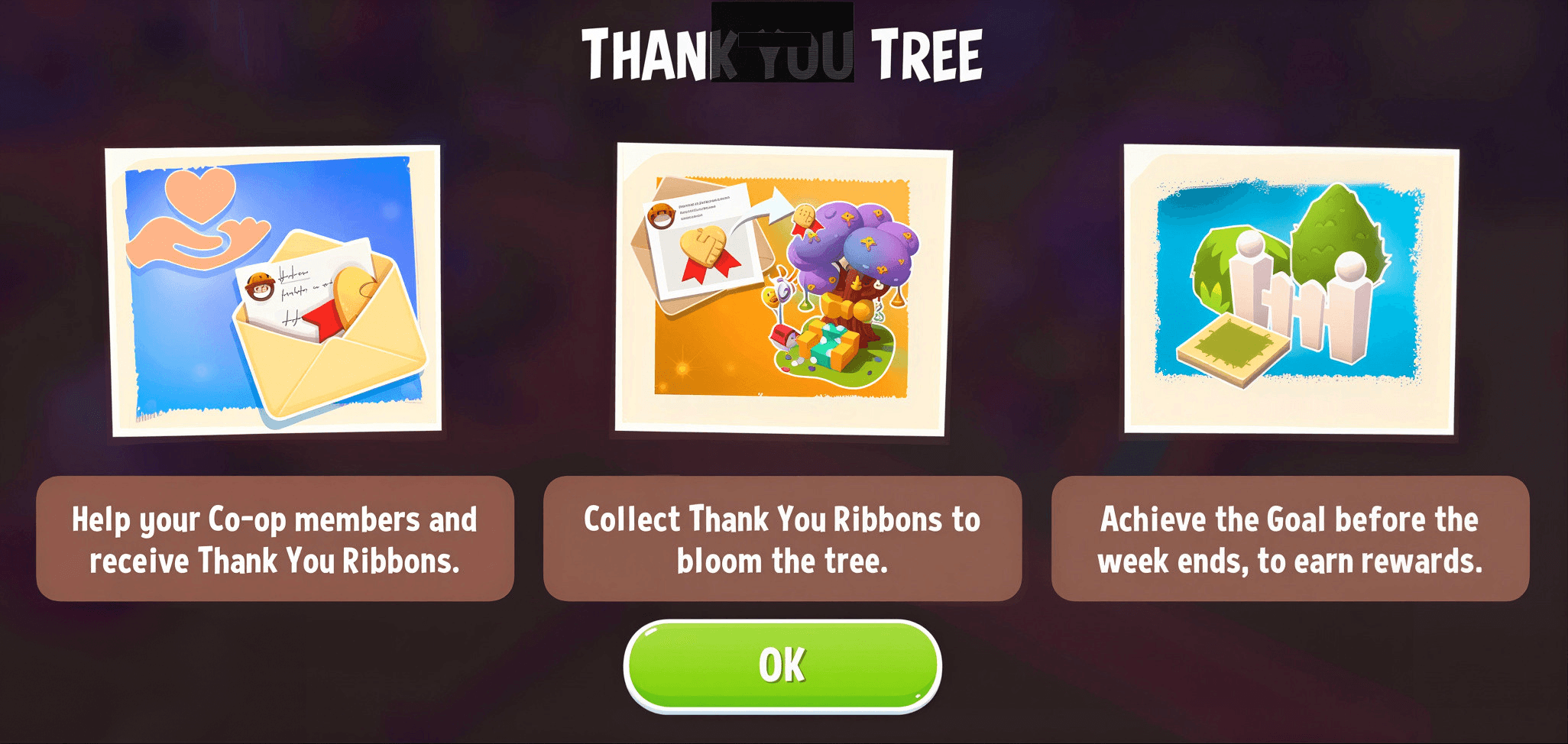
UI explaining the flow of the feature to players
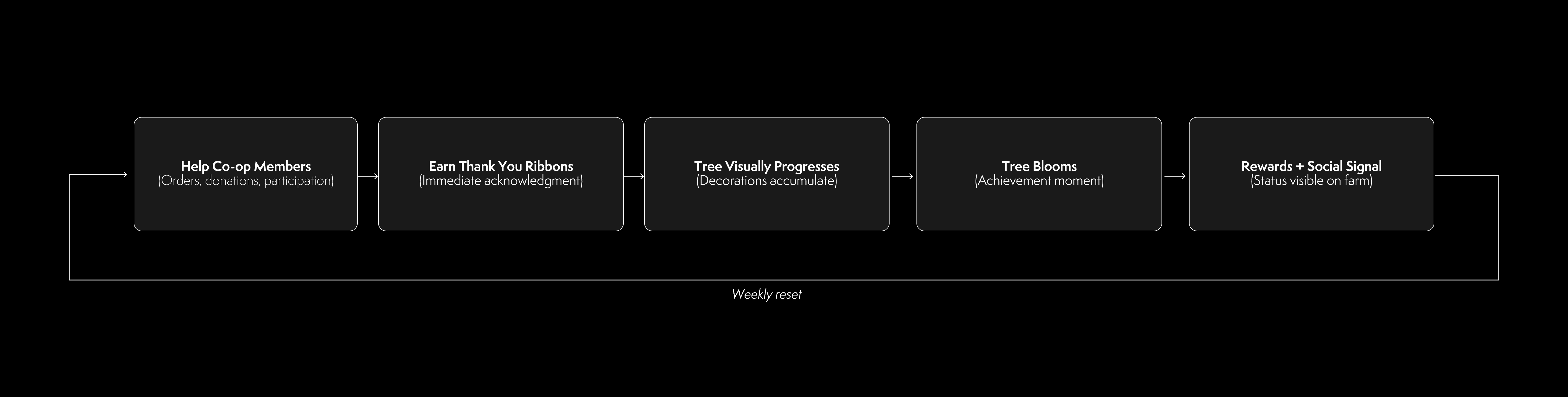
System logic — how helping actions translate into ribbons, tree progression, and rewards
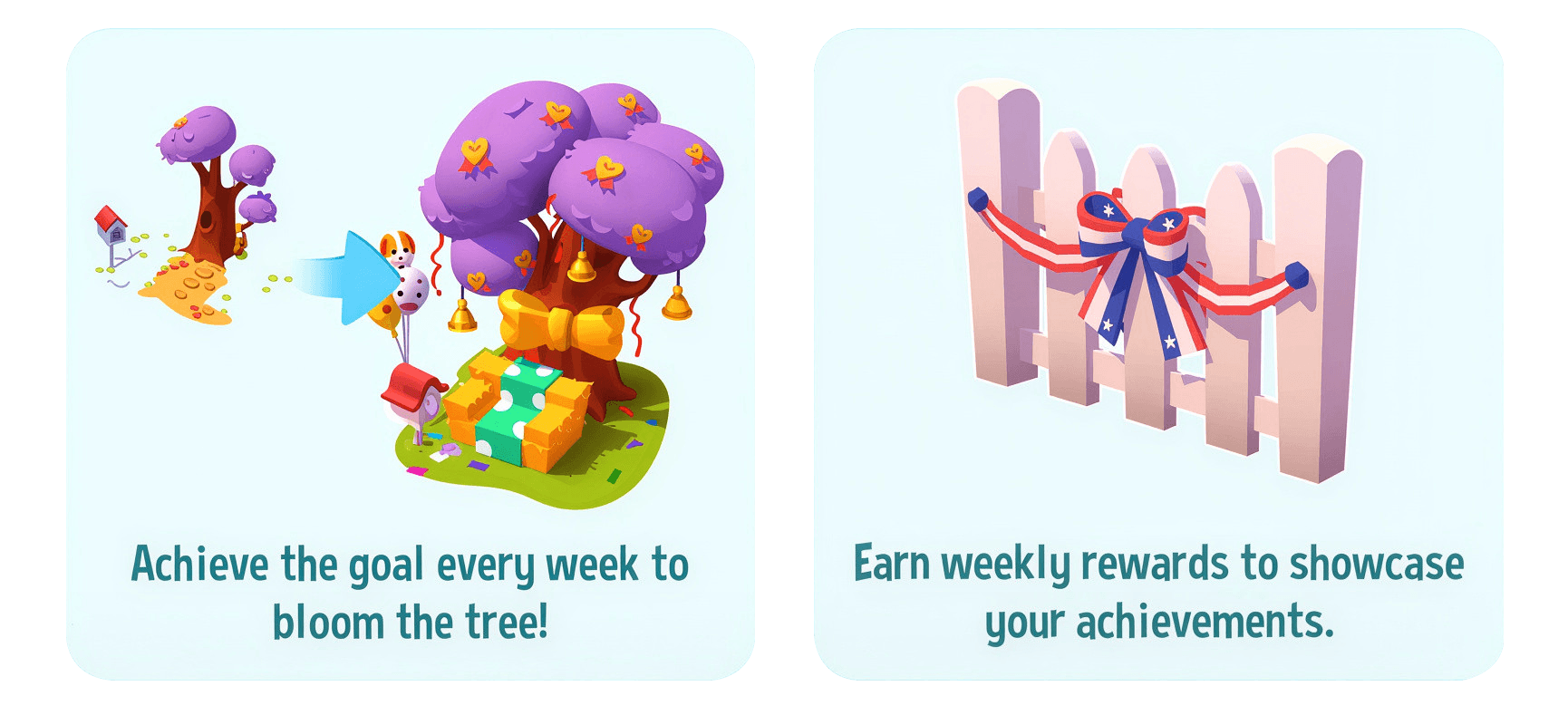
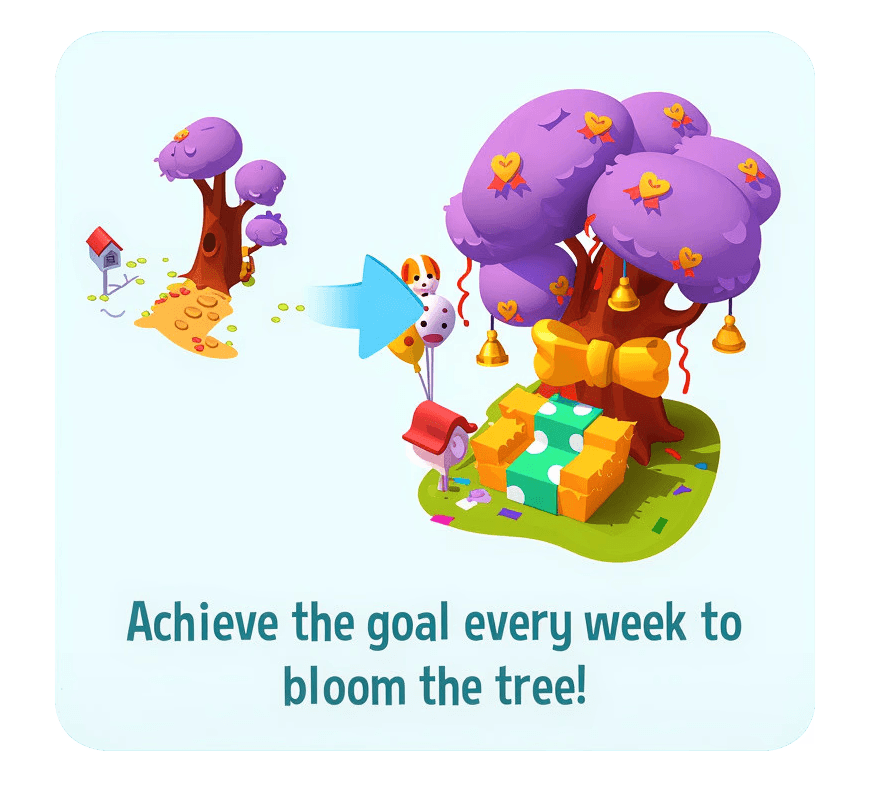
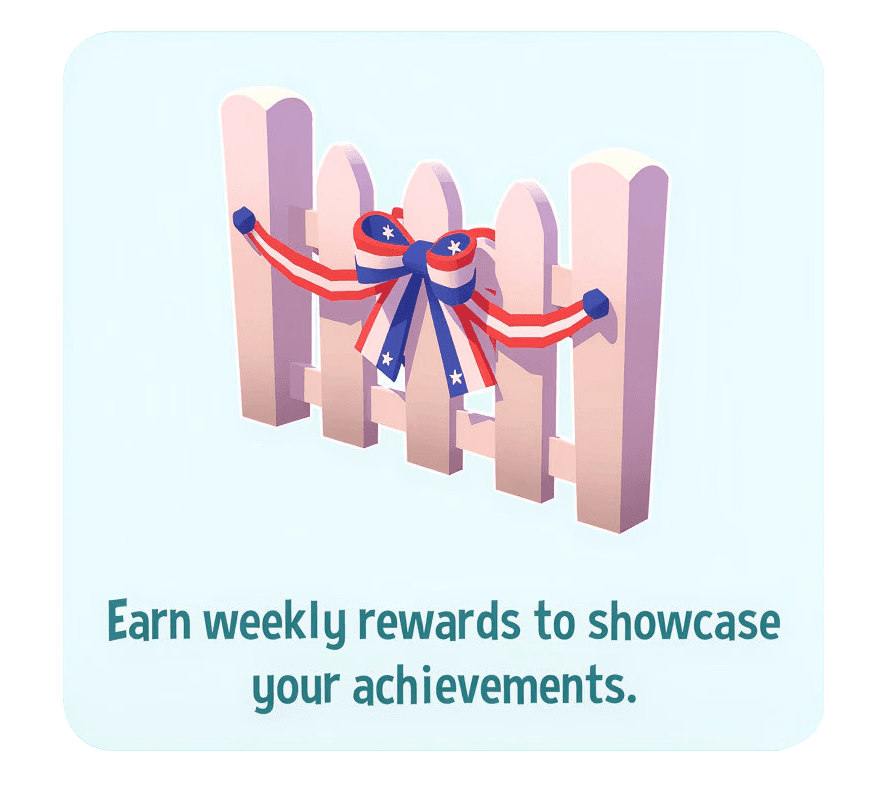
Thank you tree state progression and reward unlock mechanism
Designing the ribbon economy
I partnered with the game designer to define:
Where ribbons came from
How many were needed per bloom stage
How to prevent farming or exploitation
Ribbon sources
Orderboard help
Resource donations
Letters from co-op members
Active participation and check-ins
Thresholds were tuned to require 4–5 days of consistent helping—not grindable in a single session, but achievable with regular play.
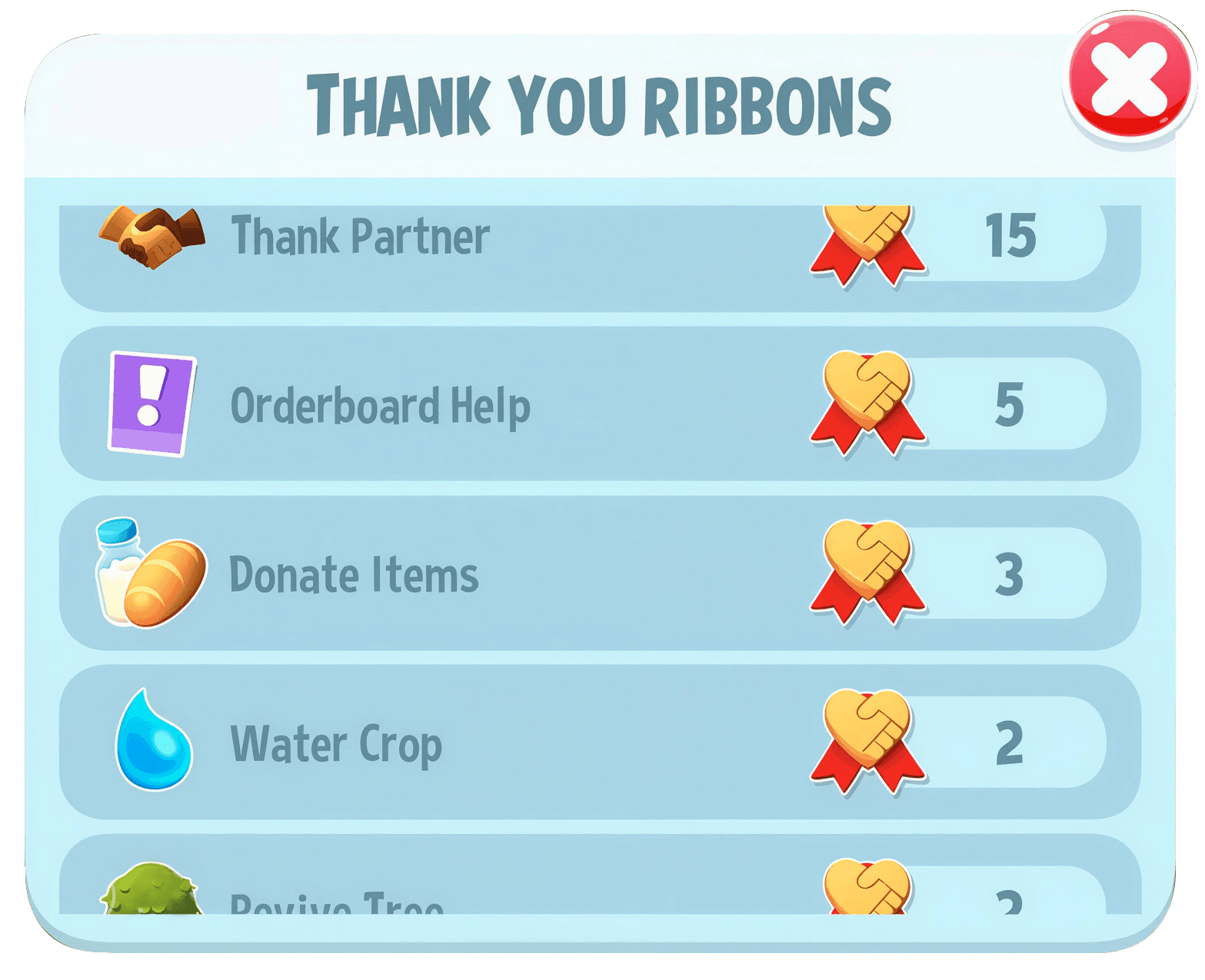
Mapping different actions to varying ribbon allocation to maintain maximum retention
Mapping the complete experience
I designed the end-to-end experience so the system felt integrated, not bolted on.
Discovery & onboarding
The tree appears naturally on the farm with a lightweight tutorial.
Earning ribbons
The tree appears naturally on the farm with a lightweight tutorial.
Tree progression
Ribbons automatically decorate the tree; progress is always visible.
Bloom moment
Reaching the goal triggers animation, celebration, and rewards.
Weekly reset
Bloomed trees persist; unfinished ones reset—balancing motivation without punishment.
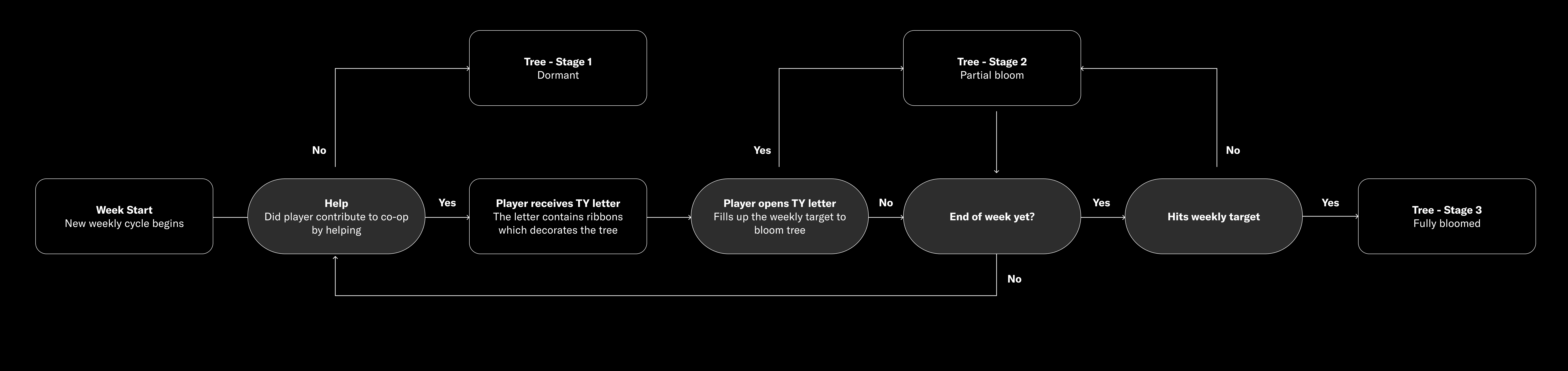
High-level experience flow — how playing leads into progression over a week.
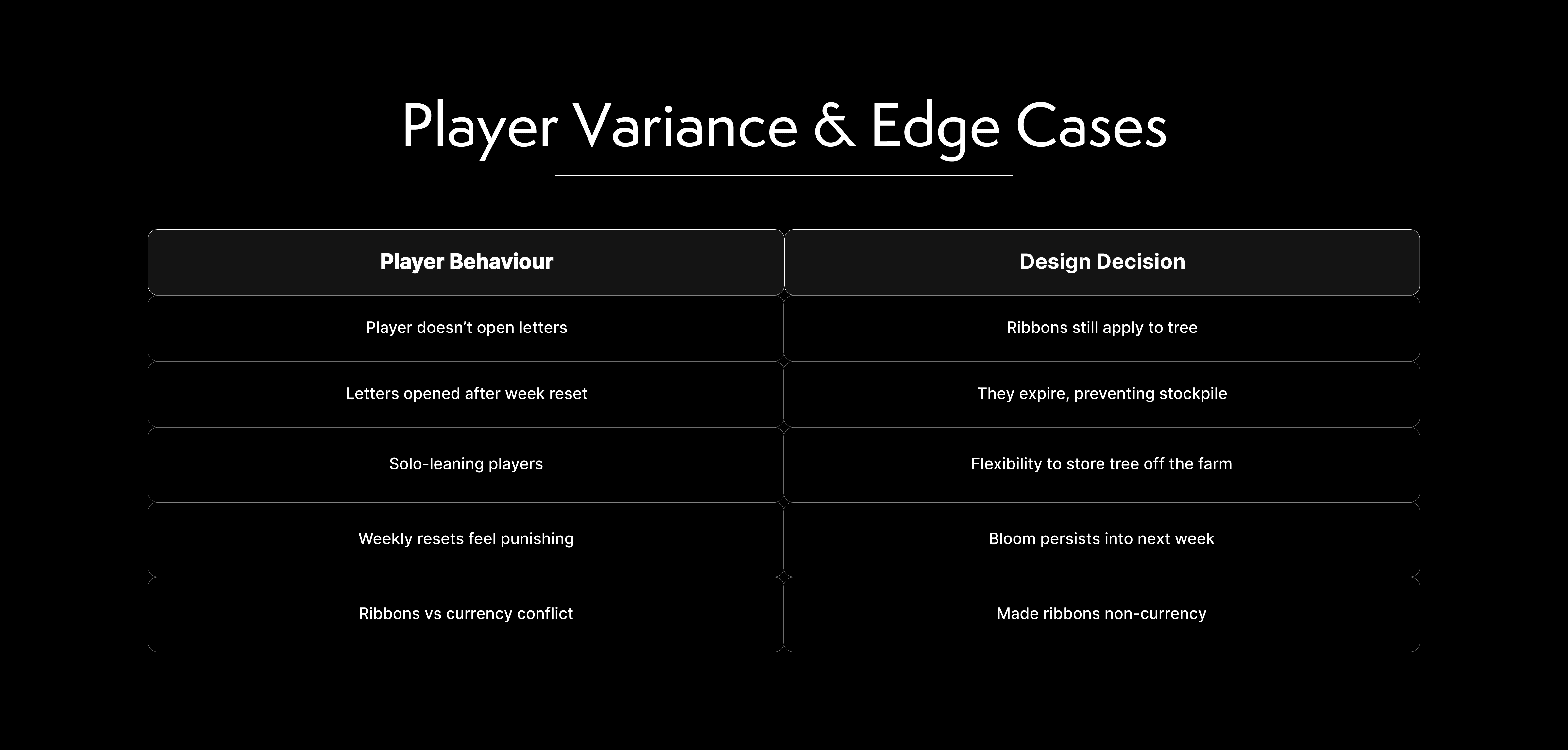
Accounting for player variance and edge cases so the system works not just for ideal users, but real ones.
IMPACT
What happened & what I learned
What shipped
Released November 2023 as a phased rollout and later adopted In February 2024 as a permanent co-op feature.
What we tracked (comparing the ~6 weeks post-launch to the ~6 weeks prior):
Weekly active helpers per co-op: up 10-12%
Co-ops with zero help activity: down, though this overlaps with a concurrent economy change
Helpful actions per active player: 2 to just over 2. Small lift, concentrated in already-borderline-active players rather than passive ones
Login rate on reset day: clear spike, our clearest signal
Session length on reset day: unchanged. Players checked in for the reset, didn't stay longer
Qualitative
Forum threads shifted: fewer "dead co-op" complaints, more unprompted bloom screenshots giving the feature organic visibility. No formal sentiment tracking behind this, just a read of the threads over time.The visible bloom moment drove screenshot sharing in the community, giving organic marketing lift
What Worked
Reworked ribbon thresholds filtered out single-session grinding. Most completions spread across 4+ distinct days
Screenshot sharing gave the feature free visibility in the community
Weekly reset created a reliable but shallow return hook: strong on login spike, weak on deeper engagement